
The Arctic
Cross into a world shaped by ice, ocean, wildlife, and light—where the journey is dictated by nature and every landing must be earned.
WHY THE ARCTIC
A Wilderness Where People Still Belong
The Arctic is often imagined as empty—a frozen landscape inhabited only by polar bears and the occasional expedition ship.
It is nothing of the sort.
The Arctic stretches across multiple countries and encompasses Indigenous homelands, working towns, historic settlements, wildlife-rich islands, immense glaciers, and an ocean transformed by the seasons.
Unlike Antarctica, the Arctic has no single coastline or standard itinerary. One journey might follow polar bears and walrus through the Svalbard archipelago. Another might enter Greenlandic communities, cross the Canadian High Arctic, or attempt a route through the Northwest Passage.
The strongest Arctic journeys bring those elements together. Wildlife matters. Ice matters. But so do the people whose knowledge, history, and daily lives are inseparable from the region.
Choosing the right expedition begins with deciding which Arctic you want to understand.
WHERE WILL YOU GO NEXT?
Choose Your Arctic Expedition
The Arctic is not one destination. Each region offers a different balance of wildlife, culture, landscape, history, and accessibility.
High Arctic Wildlife
Svalbard
Polar Bears · Walrus · Sea Ice · Arctic Foxes
Sail through a Norwegian archipelago of glaciers, tundra, bird cliffs, and pack ice while searching—not chasing—for wildlife across an immense landscape.
Typical length: 8–14 days
Explore the guide →
Ice and Living Culture
Greenland
Icebergs · Inuit Culture · Fjords · Coastal Communities
Explore ice-filled fjords, colorful towns, archaeological sites, hiking routes, and communities navigating the realities of modern life in a rapidly changing environment.
Typical length: 10-16 days
Explore the guide →
Inuit Nunangat
Canadian High Arctic
Nunavut · Baffin Island · Wildlife · Archaeology
Travel through Inuit homelands where community knowledge, tundra, marine wildlife, and human history give meaning to the landscape.
Typical length: 12-17 days
Explore the guide →
Historic Arctic Route
Northwest Passage
Sea Ice · Inuit Communities · Expedition History · Remote Islands
Follow waterways sought by European explorers but known and traveled by Inuit for generations—through one of the Arctic’s most storied and unpredictable regions.
Typical length: 17-24 days
Explore the guide →
Accessible Arctic
Arctic Norway and Lapland
Northern Lights · Sámi Culture · Fjords · Winter Landscapes
Experience the Arctic through coastal towns, northern forests, reindeer country, seasonal darkness, and comparatively accessible land-based journeys.
Typical length: 13-17 days
Explore the guide →
Top of the World
Geographic North Pole
Pack Ice · Icebreaker Voyage · 90° North
Travel aboard a specialized high-polar vessel through the Arctic Ocean in an attempt to reach the geographic North Pole.
Typical length: 13-16 days
Explore the guide →
CHOOSING THE RIGHT EXPEDITION
Wildlife Is Only Part of the Decision
Arctic itineraries can look similar in a brochure while delivering fundamentally different experiences.
Some are almost entirely wildlife-focused. Others place culture, archaeology, hiking, history, or ice navigation at the center. The best choice depends on what you want to understand—not simply what animal you hope to photograph.
Included Activities
Kayaking, hiking, helicopter flightseeing, camping, mountain biking, photography programs, and other options may be included, limited, selected by lottery, or sold separately.
Observation Space
Polar bears, whales, and other wildlife may appear with little warning. Open decks, forward-viewing areas, and clear sightlines are more valuable than they appear in a deck plan.
The Itinerary Language
“Planned,” “possible,” and “conditions permitting” are honest descriptions of Arctic travel. Wildlife, weather, ice, and local permissions can change the route at any time.
Region and Season
There is no universal Arctic season. Polar-bear habitat, whale migrations, bird colonies, tundra color, sea ice, northern lights, and community access peak at different times.
Passenger Capacity
Smaller ships often provide faster Zodiac operations and a more intimate atmosphere. Larger ships may offer additional dining, wellness, and entertainment facilities but can require activity rotations.
Expedition Team
Look for regional specialists—not simply general naturalists. The team should include people qualified to interpret wildlife, geology, ice, history, and the cultures of the places being visited.
Local and Indigenous Participation
Ask who designed the cultural programming, who presents it, whether local guides are paid directly, and how communities decide what visitors may experience.
Wildlife-Viewing Practices
No responsible operator can promise a polar bear. Look for ships that maintain safe distances, avoid crowding animals, and allow wildlife behavior to determine the encounter.
Ice Capability
Ice class affects where a ship may operate, but it does not override the captain’s judgment, regional regulations, or daily ice conditions.
Zodiac Operations
Compare the number of Zodiacs, boarding arrangements, passenger groupings, and whether all guests can participate in an excursion during the same operating period.
GO DEEPER
Experiences worth traveling for.
The Arctic’s most meaningful moments happen when you stop treating it as an empty wilderness and begin seeing the relationships among ice, wildlife, people, and place.
Svalbard
Search the Pack Ice for Polar Bears
Finding a polar bear requires patience, distance, experienced spotters, and a willingness to spend hours watching the ice. A sighting is never guaranteed—and should never be forced.
West Greenland
Hear the Ilulissat Icefjord
Watch immense icebergs move through Disko Bay and listen for the cracks, rumbles, and sudden shifts that reveal the landscape is never truly still.
Canadian High Arctic
Learn the Land Through Inuit Knowledge
Walk with cultural educators and local guides who can explain how wildlife, weather, food, travel routes, and family histories connect across the Arctic.
Svalbard
Approach a Walrus Haul-Out by Zodiac
Observe walrus resting along a shoreline or ice edge while the expedition team manages distance, noise, wind, and the animals’ response.
Greenland
Visit a Community Without Treating It Like an Exhibit
Enter as a guest. Learn how residents understand their own community, purchase directly from local artists, and recognize that daily life continues after the ship leaves.
Northwest Passage
Reconsider the Story of Arctic Exploration
The traditional version centers European explorers. A more complete account includes Inuit knowledge, assistance, survival skills, and the consequences of outside expeditions.
East Greenland
Travel Through One of the World’s Largest Fjord Systems
Move among mountains, tundra, glaciers, and ice-filled waterways where scale becomes difficult to judge and landing plans remain deliberately flexible.
High Arctic
Experience the Midnight Sun
Spend days under continuous summer light, when time becomes less obvious and wildlife observation can continue long after a normal evening would have ended.
KEEP EXPLORING
Artic Inspiration
Honest comparisons, cultural context, and expedition guidance to help you choose a journey for the right reasons.
View All Stories →
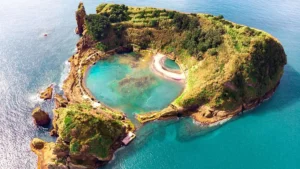
Top 10 Must-See Attractions in the Azores
Discover the top 10 must-see attractions in the Azores, from stunning lakes and volcanic peaks to geothermal wonders and historic sites.
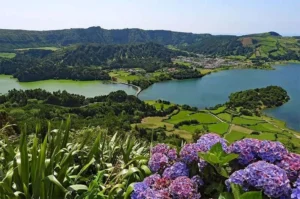
Discovering Paradise: 5 Reasons to Visit the Azores
Explore Azores: Natural beauty, adventure, culture, and tranquility await in this Atlantic paradise.
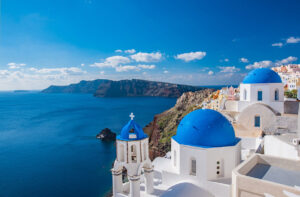
Santorini Destination Guide
Santorini is one of the Greek Cyclades islands and it is truly a magical place. It’s no wonder it is considered to be the most sought after destination for a romantic getaway.
TRAVEL SMARTER
Travel tips and resources
Arctic travel involves remote medicine, changing ice, wildlife precautions, community protocols, strict insurance requirements, and transportation systems with little room for error.
View more →
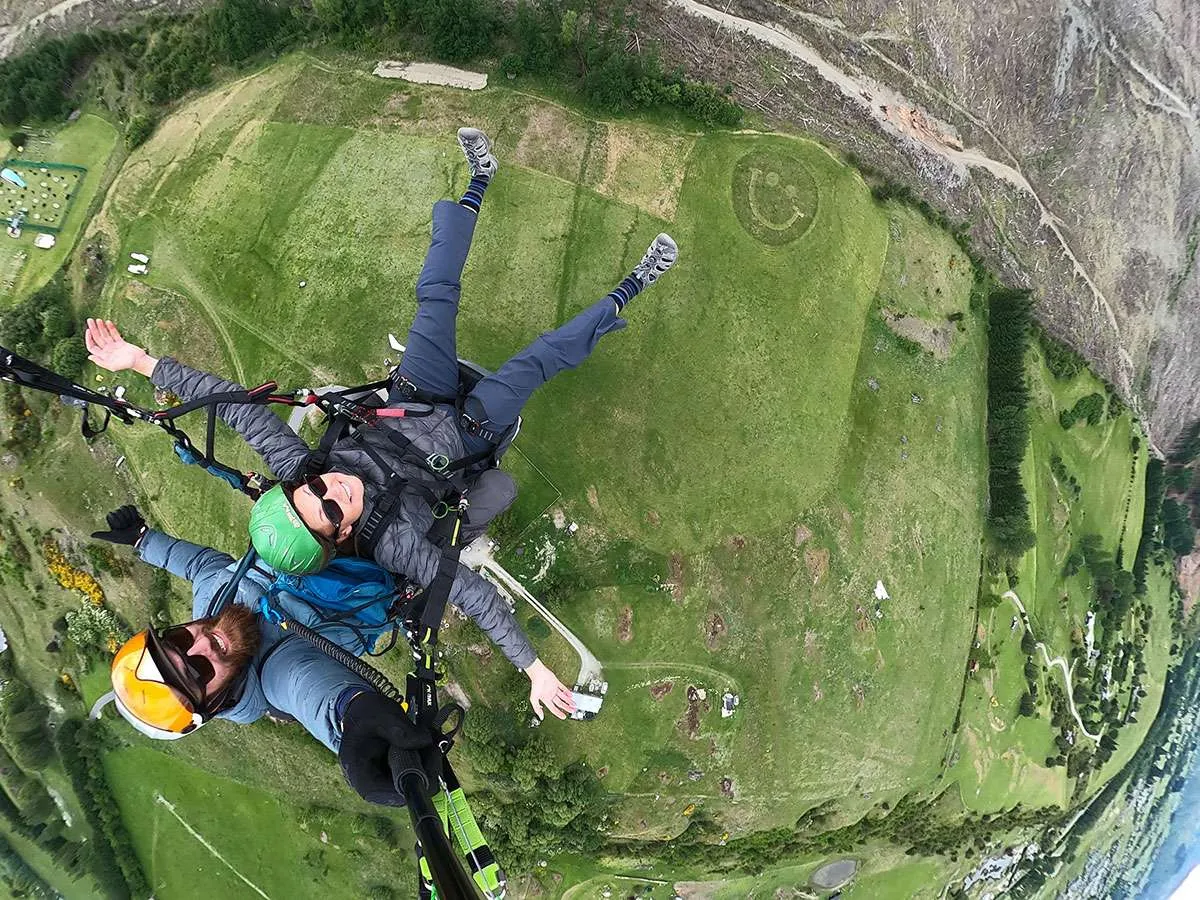
Embracing Adventure: The Endless Rewards of Stepping Beyond Your Comfort Zone



SHIPS WE LOVE
The Right Base Camp for the Far North
We favor ships that make it easier to observe, understand, and responsibly explore the Arctic.
The best vessel depends on the itinerary. Heavy-ice capability may matter for the North Pole, while a smaller passenger count and efficient Zodiac operations may matter more around Svalbard or Greenland.
Compare Arctic Ships →
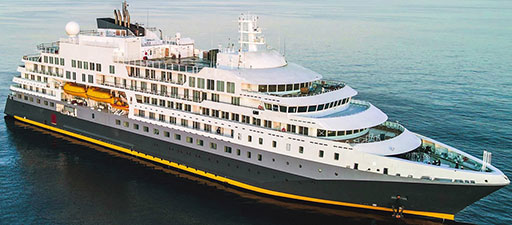
Ultramarine
Quark Expeditions
Ultramarine is designed around off-ship exploration, with two twin-engine helicopters, 20 quick-deploy Zodiacs, extensive wildlife-viewing areas, and a long operational range. Its equipment supports specialized Arctic experiences that many conventional expedition vessels cannot offer.
Best for: Adventure options and aerial perspectives
Look for: Greenland and High Arctic itineraries with helicopter-supported activities
Explore the Ship →
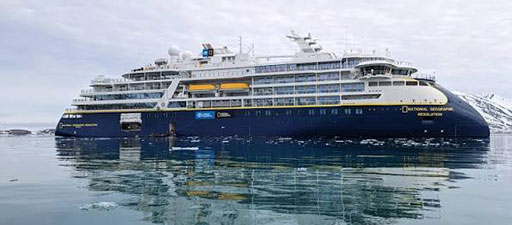
National Geographic Resolution
National Geographic-Lindblad Expeditions
A 138-passenger, fully stabilized PC5 vessel created for polar exploration. Large windows, open observation areas, an expedition-equipment fleet, science tools, and expert interpretation make it particularly well suited to travelers interested in natural history and photography.
Best for: Photography, natural history, and expert-led exploration
Look for: Svalbard, Greenland, Iceland, and Canadian Arctic itineraries
Explore the Ship →
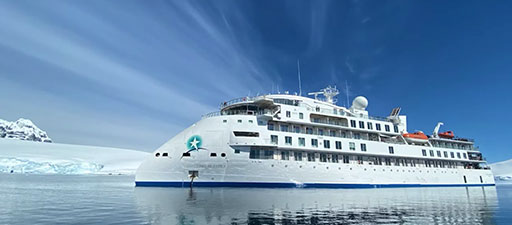
Greg Mortimer
Aurora Expeditions
A purpose-built ship carrying a maximum of 130 passengers on expedition voyages. Its X-BOW design, expansive observation areas, and activity-focused operations make it a strong match for travelers who value a smaller group and active days ashore.
Best for: Active travelers and smaller expedition groups
Look for: Hiking, kayaking, and other optional activities on selected departures
Explore the Ship →
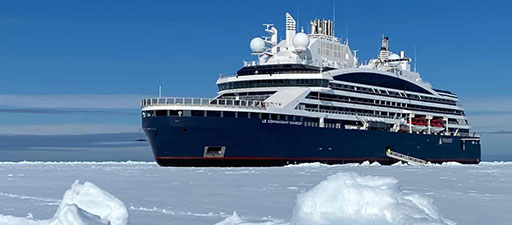
Le Commandant Charcot
PONANT Explorations
A 245-passenger high-polar vessel with advanced ice capability, hybrid-electric propulsion, dedicated scientific workspaces, and a refined French onboard experience. Its greatest distinction is access to routes that ordinary expedition ships cannot operate, including voyages toward the geographic North Pole.
Best for: North Pole and deep-polar journeys with a luxury onboard experience
Look for: Geographic North Pole, northeast Greenland, and specialized sea-ice itineraries
Explore the Ship →
ARCTIC EXPEDITION PLANNING
Inspired Is Good. Confident Is Better.
An Arctic expedition should not be chosen from a polar-bear photograph and a list of cabin amenities.
The right journey depends on region, season, ship size, ice capability, wildlife priorities, community access, activity level, and how much uncertainty you are willing to embrace.
We help you compare ships and itineraries, understand the tradeoffs, and choose an expedition built around what you actually want to experience.
YOUR NEXT TRIP STARTS HERE
Get Smarter Expedition Guidance in Your Inbox
Join Adventure Community for honest ship comparisons, destination insights, and practical guidance for planning the world’s most extraordinary journeys.